Shoot35 Home

Category

Gear & How-To

18 articles

Two Stops Past Sanity: Inside the Push-Processing Underground

Two Stops Past Sanity: Inside the Push-Processing Underground

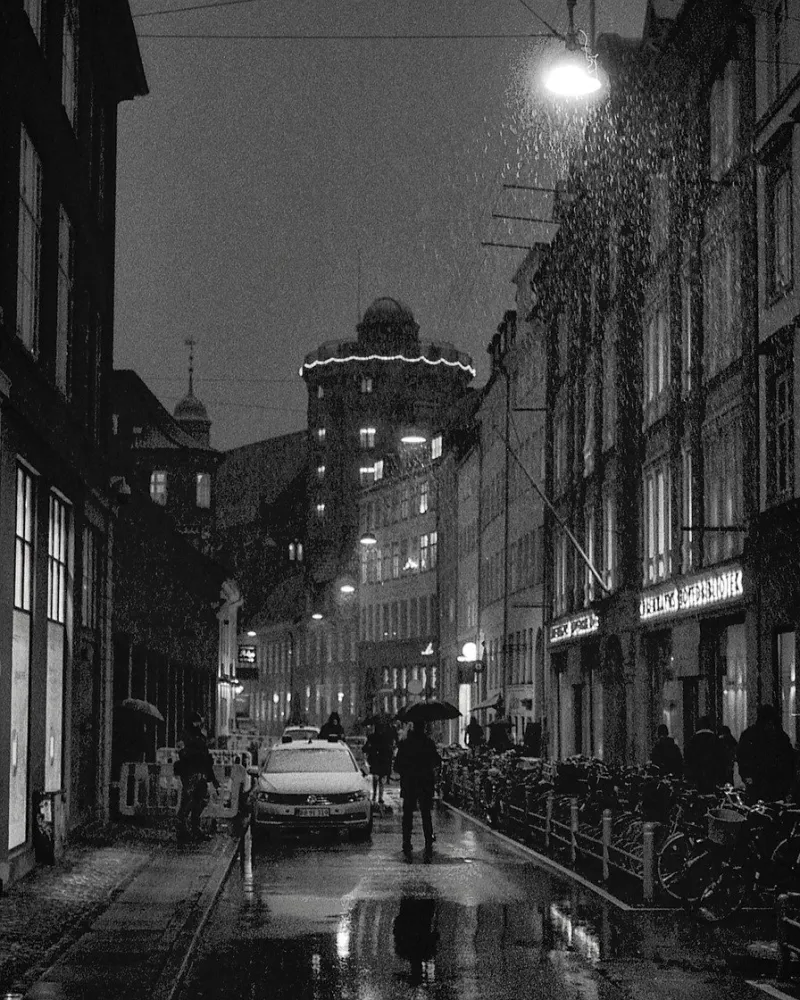
Pushing film two, three, even four stops used to be a desperation move. Now a growing crew of night shooters is doing it on purpose — trading clean shadows for grit, contrast, and grain with actual personality. Here's how it works, what it costs you, and why pushed HP5 beats your digital high ISO.

The Expired Film Hunters: Chasing Color Chaos in Forgotten Stock

The Expired Film Hunters: Chasing Color Chaos in Forgotten Stock

Forget fresh stock. A dedicated underground of film photographers is raiding estate sales, old warehouses, and dusty camera shop back rooms for decades-old color film — and the unpredictable results are becoming some of the most distinctive work in analog photography right now.

Wrong Chemistry, Right Results: The Art and Science of Cross-Processing Film

Wrong Chemistry, Right Results: The Art and Science of Cross-Processing Film

Cross-processing — running film through chemistry it was never designed for — was once a happy accident that labs tried to avoid. Today, analog photographers are treating it as a precise creative instrument, deliberately engineering color shifts, blown highlights, and crushed shadows to create images that no digital filter can convincingly fake. Here's everything you need to know to do it intentionally.

Your Bathroom Is a Darkroom: Developing Film at Home Without a Dedicated Space

Your Bathroom Is a Darkroom: Developing Film at Home Without a Dedicated Space

You don't need a fancy darkroom rental or a spare room to start developing your own film. With a few smart hacks and a willingness to commandeer the bathroom for an hour, you can process rolls at home on a shoestring budget. Here's everything apartment dwellers and budget-conscious shooters need to know.

Why Your Film Stock Is Lying to You (And What to Do About It)

Why Your Film Stock Is Lying to You (And What to Do About It)

You loaded that roll expecting dreamy pastels or punchy reds, but what came back from the lab looked nothing like the sample shots online. Here's the uncomfortable truth: film color is a moving target, shaped by a dozen variables nobody puts on the box.

Strobes, Speed, and the Shutter Problem Digital Still Hasn't Solved

Strobes, Speed, and the Shutter Problem Digital Still Hasn't Solved

Your grandfather's SLR could sync a strobe at 1/125th of a second without breaking a sweat — and today's $6,000 mirrorless bodies are still fighting the same battle. Here's why mechanical shutters have always had the upper hand when flash enters the frame, and what that means for film shooters working in the studio or out on location.

Quiet, Small, Deadly Accurate: How Rangefinders Are Outclassing SLRs on the Street

Quiet, Small, Deadly Accurate: How Rangefinders Are Outclassing SLRs on the Street

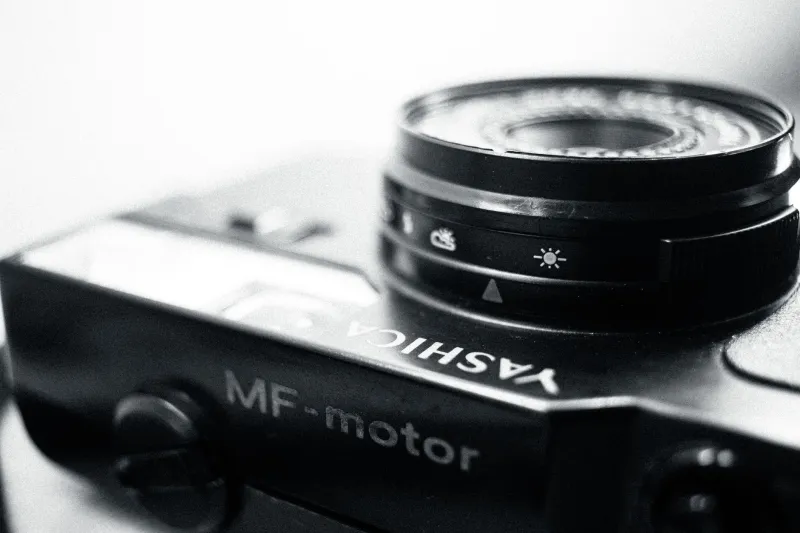
Photographers across the country are quietly swapping their mirror-slapping SLRs for compact rangefinder cameras — and the results are speaking for themselves. From Leica's legendary glass to the surprisingly capable Kiev clones, the rangefinder revival is real. Here's why these unassuming little cameras are changing how people shoot, and how to pick one up without getting burned.

Shutter Speed Secrets: How Your Grandfather's Camera Wins the Flash Game

Shutter Speed Secrets: How Your Grandfather's Camera Wins the Flash Game

Modern speedlights are impressive pieces of tech, but they've been quietly losing a battle to cameras built before most of us were born. Understanding flash sync speeds reveals one of analog photography's most underappreciated technical advantages — and knowing how to use it can completely change the way you shoot with flash on film.